A graduate degree is a worthwhile investment in your future, but the tuition, research, and living expenses can be overwhelming. Getting a graduate degree can be an expensive undertaking as well, but thankfully large numbers of students are able to pay for their further education due to the convenience and flexibility of graduate student loans.
Make sure to understand the application process before taking a loan and ensure that you select the best loan option to align with your long-term financial ambitions.
Know What You Required prior to the Application
It all starts with a budget, to have a solid borrowing plan. Add up the total costs of your graduate program, from tuition to books and products for research through cost of living (housing, transport, and daily needs).
Graduate student loans can help you pay only what you need, limiting future monthly payments and how much interest you’ll pay over time.
See also: A New Freelancer’s Guide to Life Beyond Fiverr
Graduate student loans Playbook: Applying Online
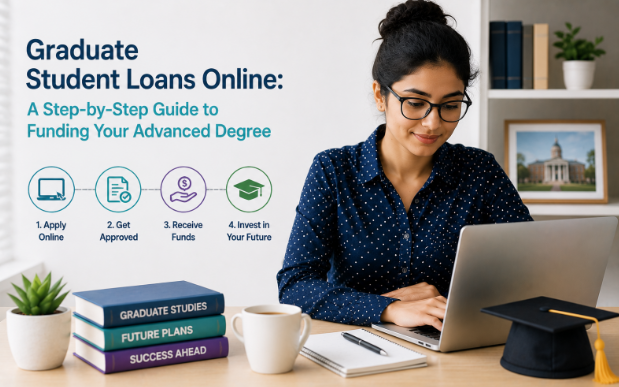
Lots of lenders make it relatively easy for you to borrow from home. Applying for graduate student loans online allow students to compare lenders, submit documents over the internet, and receive progress updates.
Prior to completing your online application:
- Review the eligibility requirements of the lender.
- Assemble all the requisite financial and academic documentation.
- Double-check your personal information.
- Once your find a loan to sign, just please read the loan agreement carefully before you submit.
Following these steps can save you time and help make sure that your application is as accurate as possible.
Compare Loan Features Carefully
Because every lender has their own set of terms (and the terms for the same loan will differ between lenders), don’t just compare interest rates. Maximizing the best graduate student loans means assessing the full borrowing experience.
Consider factors such as:
- Interest rates
- Repayment options
- Grace periods
- Loan fees
- Borrower assistance programs
If you compare them all in detail, then you can choose a loan that is suitable for your plans of education and the future budget.
Borrow with a Long-Term Plan
Borrowing responsibly is about more than paying off the loans after graduation. If scholarships, grants, assistantships, or employer tuition support appear during subsequent semesters redraw up your financial needs as a graduate student and reduce future federal loans.
If you keep your loan balance to a minimum, you’ll have greater leeway when the payment starts.
Prepare for Repayment Before Graduation
Think about repayment sooner than your final semester. Know early because your repayment schedule and construct an out-of-pocket monthly plan that you can afford based on the income you hope to earn after graduation.
Paying on time, tracking your remaining loan balance, and making additional payments toward the principal when you have money after your living expenses can help reduce interest costs and repay graduate student loans faster.
Final Thoughts
Graduate student loans can make higher education more attainable, but good borrowing begins long before you know what degree you plan to pursue. Gaining an insight into this process of borrowing will add two new competencies to your portfolio, that is where usefully analyzing the facts you see during the application process, as well as comparing all available options can help.
When applying for graduate student loans online, compare multiple lenders, thoroughly read through all loan conditions, and only borrow what is absolutely necessary. When you approach borrowing with a sound plan, an investment in your education can be paid off with future income − keeping you financially healthy for the long haul.