Reliable communication is essential in many industries, from construction and manufacturing to public safety and outdoor adventures. While smartphones are useful for everyday conversations, they are not always dependable in remote locations or high-risk environments where instant communication is critical. This is why many professionals continue to rely on two-way radios for secure and uninterrupted communication. Businesses and individuals looking for dependable portable radio solutions often explore radiored.com to compare modern communication equipment designed for a wide variety of applications. Understanding the different types of radios available can help you choose equipment that meets both your current and future communication needs.
Modern radio communication technology has evolved significantly over the past decade. Today’s devices deliver clearer audio, longer battery life, improved durability, GPS tracking, digital encryption, and greater operating range than earlier generations. Whether you’re coordinating a work crew, managing emergency operations, or staying connected during outdoor activities, selecting the right radio system can greatly improve efficiency and safety.
Why Two-Way Radios Still Matter
Despite the popularity of mobile phones, two-way radios continue to play an important role across numerous industries. Unlike cellular devices, radios do not depend entirely on mobile network coverage, making them ideal for locations where phone signals are weak or unavailable.
Organizations rely on radio communication because it provides:
Instant push-to-talk communication
Reliable performance in remote areas
Group communication without dialing numbers
Lower long-term operating costs
Better emergency coordination
Durable hardware designed for demanding environments
These advantages explain why two-way radios remain indispensable for professionals who require dependable communication every day.
Portable Radios: Flexible Communication Anywhere
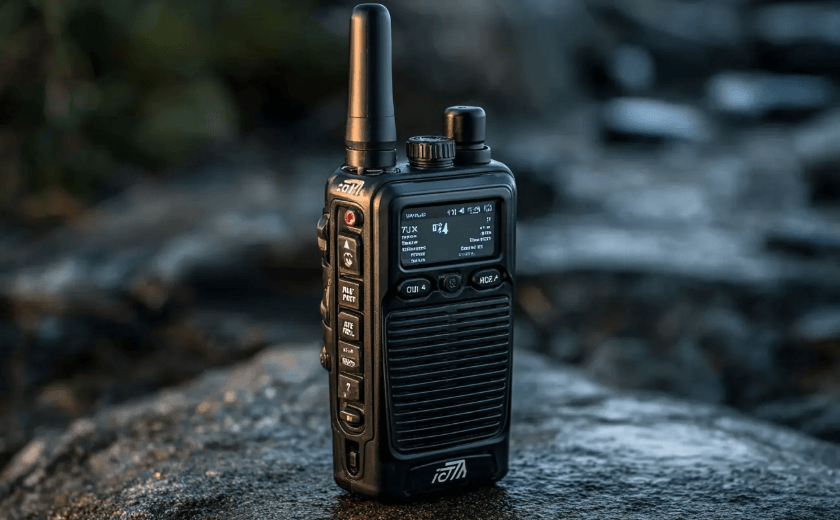
Portable radios are among the most widely used communication devices because they combine mobility with excellent performance.
Easy to Carry
Handheld radios are lightweight and compact, making them ideal for workers who move frequently throughout the day. Many models include belt clips, carrying cases, or shoulder microphones for additional convenience.
Reliable During Emergencies
Portable radios allow users to communicate instantly with an entire team at the press of a button. During emergencies, this immediate communication can significantly improve response times and coordination.
Long Battery Performance
Modern portable radios often provide all-day battery life, allowing employees to remain connected throughout extended work shifts without frequent charging.
Durable Construction
Many professional-grade portable radios are built to withstand:
Dust
Rain
Vibrations
Accidental drops
Extreme temperatures
This durability makes them suitable for challenging environments where consumer electronics may fail.
Mobile Radios for Vehicle Communication
Mobile radios are designed for installation inside vehicles and are commonly used by transportation companies, emergency services, security organizations, and utility providers.
Greater Transmission Power
Compared to handheld units, mobile radios often deliver stronger transmission power, allowing communication across greater distances.
Ideal for Fleet Management
Organizations managing delivery vehicles, maintenance crews, or service technicians benefit from continuous communication between drivers and dispatch centers.
Enhanced Audio Quality
Vehicle-mounted speakers and external antennas contribute to clearer voice communication, even in noisy driving environments.
Marine Radios Improve Safety on the Water
Communication is essential for anyone operating boats or working in marine environments.
Marine radios allow users to:
Contact nearby vessels
Receive weather alerts
Communicate with harbor authorities
Request emergency assistance
Many models include waterproof construction designed specifically for marine conditions.
Aviation Radios Support Air Communication
Pilots, flight schools, airport operations, and aviation professionals depend on specialized radios to maintain communication throughout every stage of flight.
Aviation radios provide:
Clear voice transmission
Reliable frequency control
Durable operation
Compliance with aviation communication standards
Reliable communication contributes significantly to safe flight operations.
Intrinsically Safe Radios for Hazardous Workplaces
Certain industries require communication devices specifically engineered for hazardous environments.
Intrinsically safe radios are commonly used in:
Oil and gas facilities
Chemical plants
Mining operations
Manufacturing plants
Fuel storage facilities
These radios are designed to minimize ignition risks in environments where combustible gases or dust may be present.
See also: What Makes a Great Tax Accountant in Canada
Repeaters Expand Communication Coverage
One limitation of direct radio communication is operating range. Repeaters solve this challenge by receiving and retransmitting radio signals across much larger areas.
Businesses often install repeaters to improve communication throughout:
Large warehouses
Industrial facilities
Office campuses
Mountainous terrain
Multi-story buildings
Improved coverage ensures every team member remains connected regardless of location.
Accessories That Improve Daily Performance
Quality accessories make radio systems more comfortable and efficient to use.
Popular accessories include:
Remote speaker microphones
Surveillance earpieces
Multi-unit charging stations
Vehicle chargers
Replacement batteries
Carrying holsters
High-gain antennas
Protective cases
Selecting compatible accessories can significantly extend equipment lifespan while improving user productivity.
New Technology Transforming Radio Communication
Today’s communication systems offer far more than voice transmission.
Many modern radios now include:
Digital Audio
Digital technology delivers clearer sound while reducing background noise.
GPS Location Tracking
Fleet managers can monitor equipment locations and improve operational efficiency.
Encryption
Secure communication helps protect sensitive information from unauthorized listeners.
Bluetooth Connectivity
Wireless accessories provide greater mobility and improved user comfort.
Emergency Alert Features
Dedicated emergency buttons enable workers to immediately notify supervisors during critical situations.
Choosing the Right Radio
Selecting the ideal radio depends on several factors.
Consider:
Operating environment
Communication range
Number of users
Battery requirements
Weather exposure
Safety regulations
Future expansion needs
Understanding these requirements before purchasing helps ensure long-term satisfaction.
Maintenance Tips for Longer Equipment Life
Proper care extends the life of communication equipment.
Simple maintenance practices include:
Keeping radios clean
Charging batteries correctly
Inspecting antennas regularly
Updating firmware when available
Using protective carrying cases
Storing equipment in dry environments
Routine maintenance reduces repair costs while maintaining reliable performance.
Why Professional Guidance Matters
Radio communication systems vary greatly depending on industry requirements. Choosing compatible equipment, repeaters, accessories, and frequencies requires careful planning.
Working with experienced suppliers allows organizations to build communication systems that can grow alongside their operations without unnecessary replacement costs.
Final Thoughts
Reliable communication remains one of the most valuable tools for improving safety, productivity, and teamwork. Whether you need portable radios for everyday business, mobile units for fleet management, marine communication equipment, aviation radios, intrinsically safe devices, or advanced repeaters, selecting the right technology ensures dependable performance when it matters most. Businesses looking to explore professional communication solutions and modern portable radio equipment can learn more through RadioRed where a wide range of communication products and accessories supports diverse operational needs across multiple industries.