Fun is not an accident. A strong game feels good because each part works together for the player. The goal is clear, the challenge feels fair, and every choice gives the player a reason to continue. New creators often think fun comes from big graphics or complex systems, but the real answer is simpler. Fun begins when the player understands what to do and wants to try again. If you want to make your own game, start by asking what feeling you want players to have in the first minute. Do you want speed, tension, calm focus, surprise, or smart choices? Once you know the feeling, every design choice becomes easier.
A fun project does not need to be huge. It needs a strong loop. A loop is the action players repeat because it feels rewarding. In a driving title, the loop may steer, avoid traffic, survive longer, and try again. When you create a game with a clear loop, players can understand the purpose quickly. That first clear moment is where fun begins.
Fun Starts With a Clear Player Goal
A game builder helps creators shape ideas, but the goal still needs to come from the creator. Players should know what they are trying to do without guessing. In a racing or driving idea, the goal might be to stay on the road, avoid cars, and survive as long as possible. In a puzzle idea, the goal might be to clear space or complete a pattern. Clear goals reduce confusion and let players focus on skill. If the goal is hidden, the project may feel messy even if the idea is creative. Good game design gives the player direction first, then adds pressure slowly.
• Give the player one clear task
• Make progress easy to see
• Let mistakes teach something useful
• Add challenge after the goal is understood
• Keep the first minute simple
• Test if players know what to do
• Remove rules that confuse the main idea
Challenge Must Feel Fair, Not Random
A fun challenge should feel hard enough to matter but fair enough to retry. If players fail and understand why, they often want another attempt. If they fail and feel cheated, they leave. This is why game balancing matters so much. In a driving project, traffic should create pressure, but not appear in a way that feels impossible. Speed should rise, but the player should have time to react. A fair challenge turns mistakes into learning. This is the difference between frustration and fun. A creator using an AI game maker can build faster, but still needs to test if the challenge feels honest.
See also: Tips for Navigating the Adoption Process
Feedback Is What Makes Each Action Feel Alive
Players need feedback after every important action. This can be a sound, movement, score change, crash, reward, animation, or progress signal. Feedback tells the player that the game heard them. Without it, even a good idea can feel empty.
• A clean turn should feel smooth
• A crash should show what went wrong
• A near miss should feel exciting
• A score should show progress
• A new speed level should feel noticeable
• A restart should be quick
• A reward should match the effort
Strong feedback helps the create game process feel more connected to real player emotion.
Highway Drive 3D
Highway Drive 3D is a driving game where you control a car on highways, avoid traffic, and survive as long as possible at high speed. It is a strong example of how fun can come from a simple idea. The player does not need a long story to understand the challenge. The road, traffic, speed, and survival goal create instant purpose. A creator can learn from this structure because every part supports the same feeling. Speed creates tension. Traffic creates risk. Survival creates replay value. A near miss makes the player feel skilled. A crash teaches better timing. This kind of game shows how one clear loop can become exciting when control, pressure, and feedback work together.
Build Around the First Minute
The first minute decides whether players feel curious or confused. A creator should make the first minute smooth before adding extra features. The player should understand movement, goal, danger, and reward quickly. If you build a game that starts slowly, players may never reach the best part. This is why first minute testing is useful. Watch where players hesitate. Notice if they understand the road, the goal, or the controls. If they ask too many questions, the design needs clearer signals. A strong first minute does not need everything. It needs one good action that feels worth repeating.
Why Control Is a Big Part of Fun
Control is the bridge between the player and the idea. If controls feel slow or unclear, the player blames the project, not themselves. In a driving title, steering must feel steady. The car should respond in a way the player can learn. A game maker online can help creators test changes quickly, but the creator must still notice how the controls feel. Good control gives players confidence. They feel that better focus can lead to better results. Bad control makes success feel random. When control feels fair, the player accepts the challenge. That is when fun becomes stronger because every improvement feels earned.
Design the Loop Before the Details
New creators often add too many details before the core loop works. It is better to test the main action first. A no-code game maker can help you move quickly, but focus still matters.
• Choose one main action
• Add one clear danger
• Create one reward for success
• Test the loop before adding levels
• Improve controls before adding art
• Keep the challenge readable
• Add details only when the loop feels good
• Use game prototyping to learn faster
Making games becomes easier when the loop is clear before the decoration begins.
Why Emotion Matters More Than Features
A project can have many features and still feel boring if it does not create emotion. Fun comes from the feeling players get while playing. A driving project may create tension through speed. A puzzle may create calm focus. A strategy project may create pride through smart choices. The creator should know the emotion before adding more systems. If the goal is excitement, the road should feel fast and risky. If the goal is calm, the pace should feel slower and safer. This is where player experience becomes the center of game creation. Features are only useful when they support the emotion you want players to feel.
Conclusion
Fun is built through clear goals, fair challenge, strong feedback, and smooth control. A creator does not need to start with a giant world or advanced systems. Start with one feeling and one loop. Then test if players understand it and want another try.
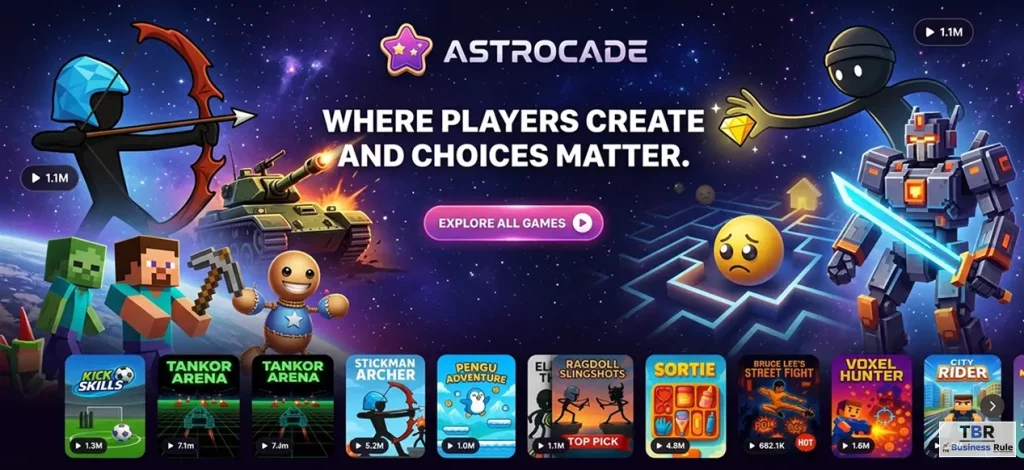
Highway Drive 3D shows how a simple driving idea can become fun through speed, traffic, survival, and quick feedback. Your own project can follow the same lesson. Choose the feeling first, then shape the rules around it. Astrocade gives creators a helpful way to explore game development without coding, test ideas faster, and improve the parts that matter most. When the player feels control, pressure, and progress, your creation starts to feel alive.